The industry grew up, and the back office did not
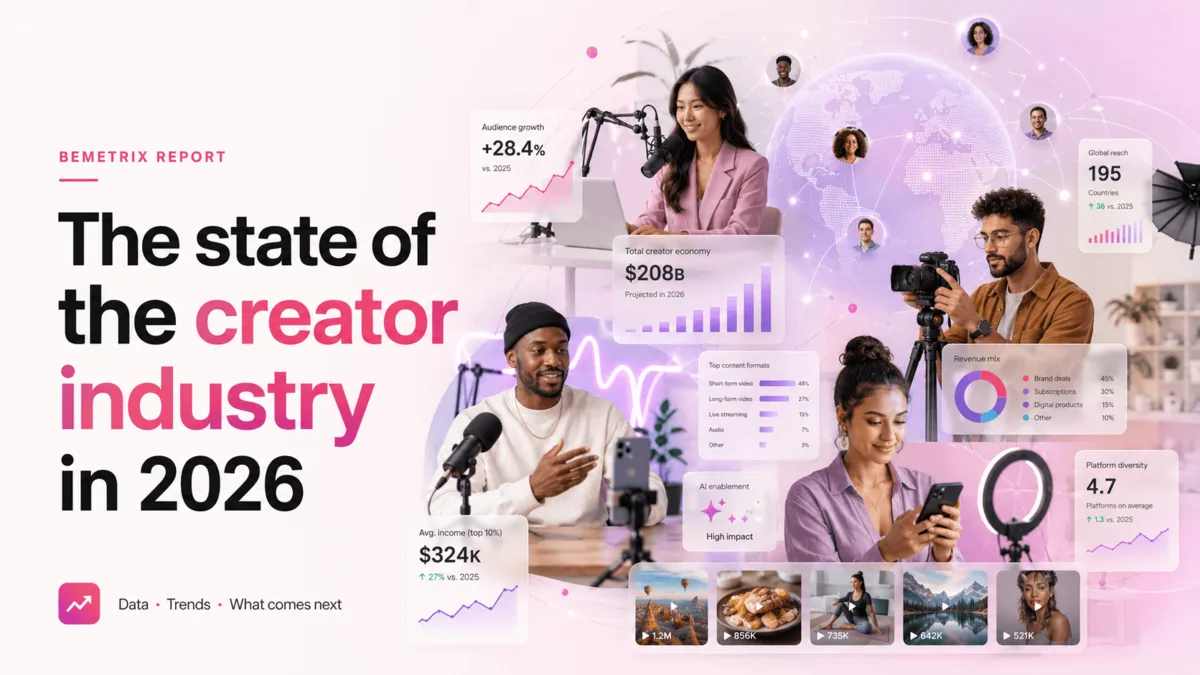
The creator side of streaming has spent the last few years turning into a real business category. Studios run payroll, schedules, and multi-platform reporting. Independent creators negotiate rates, manage subscriptions, and file taxes. The work has become professional, but the tooling for that work often has not: many teams still run on spreadsheets, group chats, and a shared calendar nobody trusts.
That gap is the defining story of 2026. Content strategy is no longer the bottleneck for most established teams — operations is.
Four shifts worth planning around
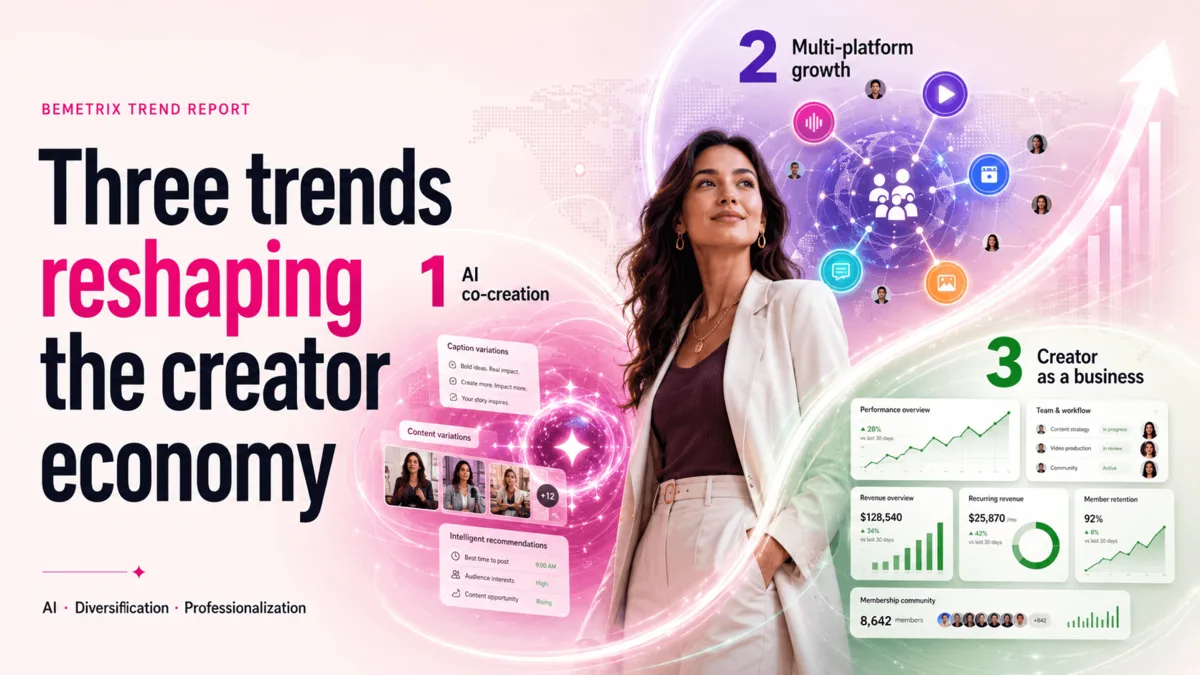
1. Income is spread across more platforms
Very few creators earn everything in one place anymore. Live streaming, subscription pages, tips, and paid messaging often run in parallel, each with its own payout cycle, currency handling, and fee structure. Consolidated reporting stops being a nice-to-have the moment a creator's income arrives from three or four sources on three or four different schedules.
The practical consequence: if you cannot answer "what did this creator actually earn last week, across everything?" in under a minute, you are guessing when you make decisions about scheduling, coaching, and payouts.
2. Studios are becoming service organizations
The competitive edge for a studio used to be access — access to space, equipment, and traffic. Today the edge is service: scheduling that respects people's lives, payouts that arrive on time and are easy to verify, coaching that measurably helps, and clear rules that do not change week to week.
Creators compare offers. A studio that cannot explain its split in one screen loses to one that can.
3. AI moved from novelty to routine
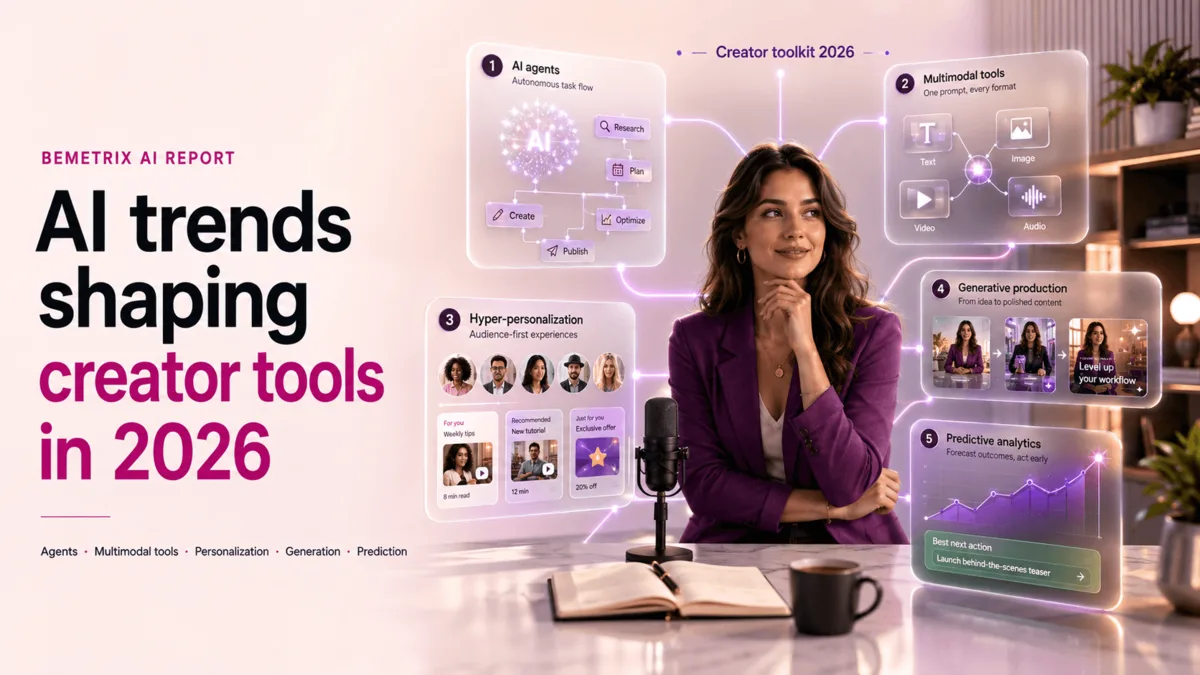
Assistive AI is now part of daily operations rather than a marketing feature: drafting profile copy, summarizing the day's numbers, flagging a creator whose activity dropped, and suggesting what to look at first. The teams getting value from it are the ones using it for the boring parts — summaries, drafts, anomaly spotting — not the ones expecting it to replace judgment.
4. Compliance and data hygiene are table stakes
Age verification, document handling, access control, and audit trails are increasingly the difference between a business that can scale and one that stalls. Role-based access, two-factor authentication on admin accounts, and a record of who changed what are basic requirements now, not enterprise extras.
What this means for how you run the next quarter
- Measure hours, not just revenue. Revenue without hours tells you nothing about efficiency. Earnings per working hour is the number that exposes whether a schedule is working.
- Make payouts boring. A payout that anyone on the team can reproduce from the data removes the single most common source of conflict.
- Standardize onboarding. Every creator should start with the same checklist: accounts connected, split agreed in writing, schedule expectations set, support channel named.
- Pick one source of truth. Multiple half-maintained spreadsheets are worse than one imperfect system everyone actually uses.
Where BeMetrix fits
BeMetrix exists for exactly this operational layer: creator profiles and documents, shift scheduling with approvals, automated payout calculation, multi-source earnings analytics, and role-based access for studio owners, managers, operators, and creators — plus a mobile app so schedules and earnings are checkable away from a desk.
The strategic work of 2026 is still content and audience. But the teams that win the year are the ones that stop losing hours to admin they could have automated.

Related articles

Get more like this in your inbox
Industry insights, best practices and product updates — once a week.